Skip to content

3 Reasons Acupuncture Supports Couples Facing Infertility

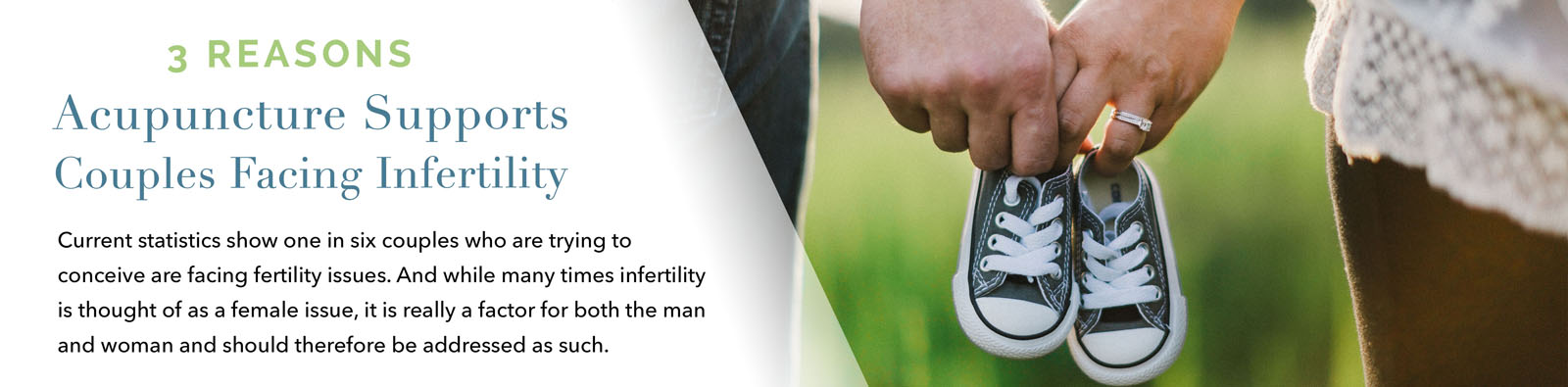
When you consider all the changes in our agricultural practices, the increased number of medications we take, as well as our dependence on plastic and technology that is constantly emitting low-grade radiation, it’s no surprise more couples are having trouble conceiving. Current statistics show one in six couples who are trying to conceive are facing fertility issues. And while many times infertility is thought of as a female issue, it is really a factor for both the man and woman and should therefore be addressed as such. continue reading »

Posted in Acupuncture | Tagged , , , | Comments Off on 3 Reasons Acupuncture Supports Couples Facing Infertility

Five Self Care Tips for Fall

Fall is a favorite season for many people. The weather starts getting a little cooler, things are beginning to slow down and preparations for the holidays are in full swing. For many others, fall is not so festive. Many people get sick during the fall months, allergies can flare up for some, and many don’t like the steady decrease in hours of sunlight, sometimes leading to seasonal depression. Here are some tips on how to get through the season without incident. continue reading »

Posted in Acupuncture, Traditional Chinese Medicine | Comments Off on Five Self Care Tips for Fall

Benefits of Acupressure Massage

Those familiar with Traditional Chinese Medicine (TCM) know that it encompasses several modalities that have been trusted throughout the centuries. But did you know that alongside the commonly used Acupuncture, Gua Sha, Cupping, Moxibustion and Chinese herbal medicinal practices; that massage is also used to treat patients and their various ailments? These TCM based massage techniques are known as Shiatsu and Tui Na, which are both forms of Acupressure Massage. These two different styles of Acupressure therapy rely on varying rhythms, pressure and techniques to match a specific purpose. 

Shiatsu

Originally known as Anma; a Japanese form of massage developed in 1320, Shiatsu is the most well-known style of acupressure massage training based on ancient Chinese principles. Shiatsu literally translates to “finger pressure” and can be quite vigorous in practice, as the therapist applies firm pressure to acupressure points along body’s meridians, depending on the patient’s specific condition. Your practitioner will do a comprehensive diagnosis before treating you to understand your medical history, any pain you are experiencing and what underlying problems you may have.  Oftentimes, Shiatsu massage therapy practitioners can detect the start of energy imbalances in the body before any negative health symptoms appear and will treat preemptively. Shiatsu massage therapy programs typically include comprehensive training in traditional Asian bodywork and treatments may also incorporate stretching, special breathing techniques and meditation.

Tui Na

Pronounced “twee naw” and meaning “pinch pull,” Tui Na refers to a wide range of TCM massage and body work techniques. Unlike other gentler forms of massage, this form of is not generally used for pleasure and relaxation, but rather as a therapeutic treatment to address specific patterns of disharmony. Practitioners use Tui Na for many of the same reasons as acupuncture and according to the same principles. Similarly to acupuncture, TCM uses Tui Na to harmonize yin and yang in the body by manipulating the Qi in the acupuncture channels. Acupressure points are massaged to release blocked or congested energy centers in the body, promoting unobstructed Qi flow for health and well-being. Tui Na is frequently used in the treatment of superficial trauma and injury and a wide variety of musculoskeletal problems. It is also often used when acupuncture is not the best option, such as with infants and those with bleeding disorders. Instead practitioners use their fingers to lightly stimulate the points in place of needles.

Many studies have shown that Acupressure Massage Therapy helps reduce the intensity and duration of episodes of pain, making it helpful for treating many conditions including headaches, insomnia, poor circulation, sinus problems, arthritis and shoulder and neck tension. It also helps improve blood flow and release chemicals within the body that reduce stress, anxiety and elevate your mood. Most importantly, Acupressure Massage is very effective in preventative health care maintenance.

Posted in Uncategorized | Comments Off on Benefits of Acupressure Massage

Acupoints For Fall

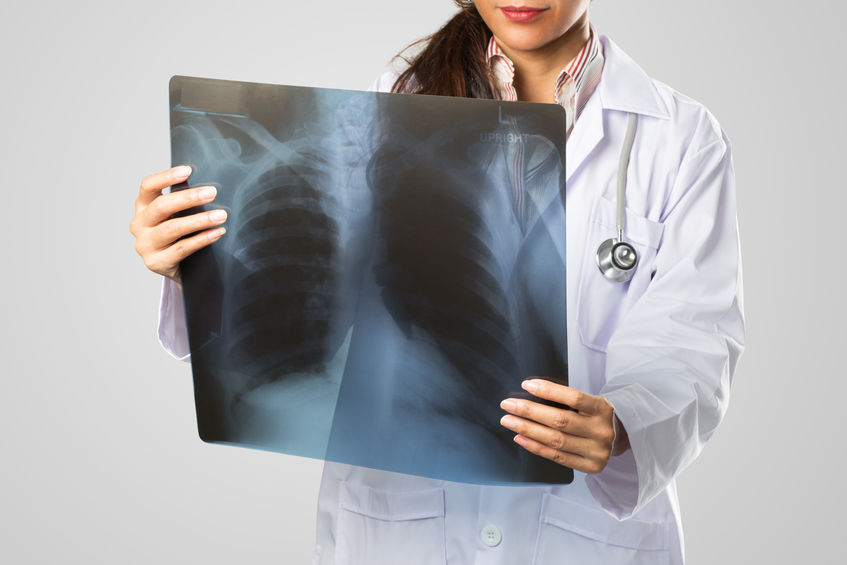
Because the lungs are one of the organ systems correlated with fall in traditional Chinese medicine, lung acupuncture points can be beneficial at this time of year. In this article we’ll look at two common lung acupoints and what they’re good for.


Lung 7

In classical texts, this point is revered as one of the four most important and useful points on the body. Lung 7 is also called Broken Sequence. This may sound like an unusual name for an acupuncture point, but it is in reference to the pathway of the lung channel where it splits to join the large intestine channel. Traditionally, Qi is transferred from one channel to another at the last point on the channel, but in the case of the lung channel, lung 7, not lung 11, is where the Qi is transferred, hence the break in the sequence.

Lung 7 is the main point for moving and regulating the Qi in the lung meridian. It can be useful for treating coughs, asthma, chest tightness and pain, shortness of breath and wheezing. It can also be used to treat chronic sore throats. This point can also relax the diaphragm and can help with chronic hiccups. For allergy sufferers, this point can be effective in treating common hay fever symptoms.

Lung 7 is also the command point for the head and the back of the neck. That means this point can be used to treat myriad conditions related to the head and neck. Lung 7 can release pain and stiffness in the neck, ease dull headaches, help with anxiety and help someone think more clearly.


Lung 3

Lung 3 is classically named Tian Fu. Tian can be translated to mean celestial or of the heavens. Fu can be translated here to mean storehouse or treasury. The most common translation for Lung 3 is celestial storehouse. The point itself is below the axillary fold on the radial side of the biceps brachii tendon. This is about three inches below the armpit and five inches above the elbow.

Lung 3 is classified as a window of the sky point, and has the function of regulating the flow of Qi between the body and the head. This point can also disperse stuck Qi in the chest for people who experience a shortness of breath, especially due to smoke inhalation or carbon monoxide poisoning. Needling Lung 3 will help them take deeper breaths and get more oxygen into their bodies.

One of the most common uses of Lung 3 is for spiritual issues of a wide range of manifestations. It can effectively treat insomnia as well as help people who sleep too much. This point is also used to treat confusion, poor memory, crying, depression and fear of ghosts. Traditionally, it was used to treat patients with tuberculosis. When the tuberculosis became severe and there was chronic depletion of the lung yin, patients would experience “floating corpse ghost talk,” basically delirious speech, which is where the treatment of fear of ghosts comes from.


Each acupuncture point is connected to many other areas and systems within the body, allowing it to be beneficial for a wide range of issues. Ask me today if you have questions on these or other points.
Posted in Uncategorized | Comments Off on Acupoints For Fall

Potent Organs in Fall

In Traditional Chinese Medicine, fall is the season associated with the lung and large intestine energetic meridians. These two meridians work in a symbiotic way to control the immune system from both the inside and outside of your body.

The large intestine channel runs up the arms, across the shoulders, up the neck, over the face and ends next to the nose. As many people now know, the health of our large intestine and gastrointestinal tract overall plays a big part in our immunity. Keeping the large intestine channel warm and preventing exposure from the elements will help to keep you healthy. Cold pathogens can enter the body through the pores or nasal cavity. By wrapping the neck and shoulders with a scarf during the fall months, you can help ward off the pathogens and prevent catching a cold or the flu.

The large intestine also has the function of transporting all waste products out of the body or to other areas for excretion. The large intestine absorbs liquid and releases anything that is no longer needed. This can be food, toxins or even emotions. This helps to cleanse the body and mind.

The lungs are the paired organ system to the large intestine in TCM. The lungs have a very special kind of energy, or qi, called the Wei Qi (pronounced “way chee”). Wei Qi is similar to what Western medicine calls the immune system. Wei Qi provides a barrier that protects the body from pathogens. When the Wei Qi is depleted or low, then the body is unable to fight off infections. Strong, healthy lungs enhance the functions of the whole body. Lung health can be weakened by poor food choices, pollution, poor genetics, emotional stress, and even unexpressed emotions such as grief or sadness.

The lungs are known as the Prime Minister in TCM. They control breath and energy, while assisting the heart with the circulation of blood throughout the body. The lungs also control the skin, which breathes through the opening and closing of the pores, helping to regulate body temperature. The pores regulate body temperature both through perspiration and shivering. This mechanism is another way the lungs help to protect the body – when we perspire, we usually release toxins from the body. Fewer toxins means less chance of getting sick.

As fall approaches, it is a good idea to start focusing on the health of your lungs and large intestine. One way to do this is by getting regular acupuncture treatments. Check in with us if you’d like to schedule extra appointments this fall to support your lungs and large intestine!

Posted in Uncategorized | Comments Off on Potent Organs in Fall
(630) 837-4241 Directions Contact/Schedule