Spring is generally regarded as a happy season, especially for those that live in areas where winter is cold and dark. Spring brings with it longer, warmer days, more sunshine, the rebirth of plants and more activity. But for many, the months of spring can also bring irritability, anxiety, sinus issues, allergy flare-ups and colds.
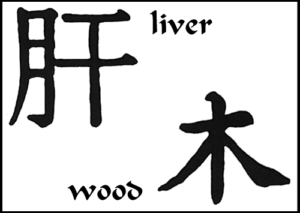
Traditional Chinese Medicine (TCM) has been around for nearly 3,000 years, which gives the medical system, as a whole, a lot of credibility. TCM classifies things in many different ways. There are five seasonal associations in TCM – winter, spring, summer, late summer and fall. Each season has its own unique set of properties and associations. Spring is associated with the wood element. The wood element governs the liver and the gallbladder and their energetic pathways. The five seasons and their corresponding elements interact with one another daily, creating balance and harmony or complete chaos within the body.
Spring is a time of growth, which is evident by all the plants and flowers coming into bloom, as well as the wildlife awakening from winter slumber. Spring is the time of birth and regeneration. This season tends to be trademarked by optimism and opportunity.
Spring is linked to the wood element in TCM due to the prospects of growth and development. When a tree is nourished properly, it will grow and expand. This is very similar to what happens with the body and spirit within every living being. Just like the wood that makes up the trunk of the tree, we must be able to be flexible and bend, always changing and adapting to whatever comes our way. We need to remain strong and rooted, yet be able to give a little if needed.
According to TCM theory, the liver and gallbladder are associated with the tendons and are responsible for the smooth flow of energy and blood throughout the body. Our daily activities should reflect this. Being more active and spending more time outside can be great ways to strengthen the liver and gallbladder energies during the months of spring. Fresh air helps the liver and gallbladder function properly and decreases any stagnation being experienced in the body. We should imitate the budding trees and flowers and allow ourselves to grow and reach for bigger and better goals during the spring.
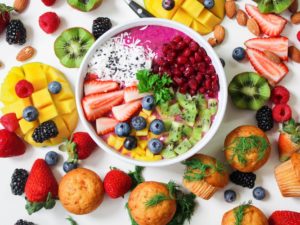
Green is the color of spring in TCM. During these months, fresh greens are abundant. It is highly recommended that we incorporate more fresh greens into our daily diets. Greens have been shown to be very beneficial for helping the liver detoxify the blood. Dandelion greens, in particular, are a good source for detoxification, which ultimately strengthens the liver and gallbladder meridians.
Sour drinks and foods are believed to stimulate the liver’s healing abilities. Adding lemon slices in your drinking water or using vinegar and oil as a salad dressing are some good examples. However, if you are a person that has anger issues, sour tastes should be avoided, as this can send the liver into overdrive.
It is also recommended to avoid excessive stimulants during the spring months. Things like coffee are considered expansive and energizing, which can be somewhat helpful during the cold winter months. But during the spring, when life is abounding, excess energy can actually be harmful to the body. It can create headaches, insomnia, anger and more.
As with any seasonal change, adding acupuncture treatments can be a huge asset, but especially in the transition from winter to spring. Due to the winds picking up and the weather becoming warmer, things like bell’s palsy, allergies or sinus infections can become more prevalent. Using acupuncture as preventive medicine can vastly improve your chances of remaining healthy throughout the transition. So for the sake of your liver and your overall health, be sure to connect with a locally licensed acupuncturist today. You won’t regret it.

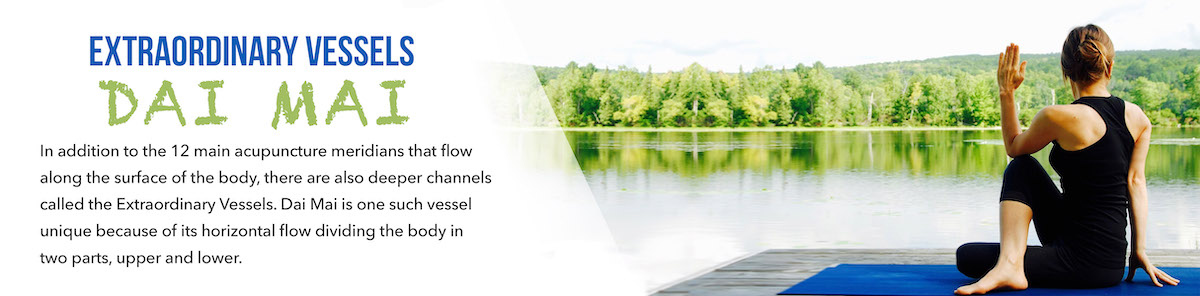 In addition to the 12 main acupuncture meridians that flow along the surface of the body, there are also deeper channels of energy in the body called the Extraordinary Vessels. You can understand the relationship between the primary acupuncture channels and the Extraordinary Vessels by thinking about what happens when it rains: first, small ditches become full – these are the collateral vessels that break off of the 12 main channels. Next, the reservoirs become full, which are the 12 primary channels. When they are full, they overflow into the Extraordinary Vessels, which are deep and vast lakes of energy within the body. continue reading
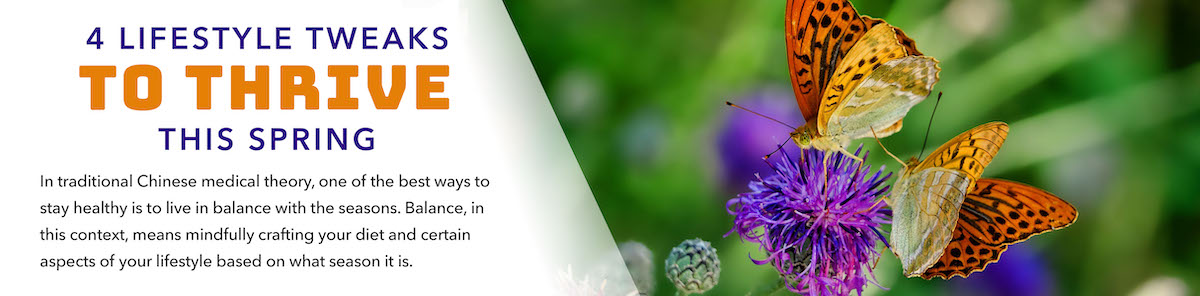 In traditional Chinese medical theory, one of the best ways to stay healthy is to live in balance with the seasons. Balance, in this context, means mindfully crafting your diet and certain aspects of your lifestyle based on what season it is.


