


- One Community
Acupuncture Center342 S Main St.
Unit 1 Lower Level
Bartlett, Illinois 60103(630) 837-4241 Follow Us!


- Sign up to receive news and updates and get my free report:“The Top 10 Reasons to Try Acupuncture”


Latest Articles:
- • Here’s How Parents Are Creating Healthier Summers Without Burnout •
- • Sleep Tourism, Recovery Retreats, and Wellness Travel •
- • How Small Daily Habits Are Replacing Extreme Health Trends •
Uncategorized
Research Update: Acupuncture and IBS

In a 2014 study published in the World Journal of Gastroenterology, researchers conducted a meta-analysis of six randomized, placebo-controlled, clinical trials and found acupuncture had a statistically significant, positive effect on IBS symptoms. The study found acupuncture was helpful in alleviating a variety of symptoms, including abdominal pain, stool state, and abdominal distention, among others.
Between 25 and 45 million people suffer from irritable bowel syndrome, IBS, in the United States. Symptoms of IBS vary from person to person, but IBS is commonly characterized by intestinal pain and either diarrhea or constipation. Symptoms also vary from moderate to severe, but either way, the discomfort needs to be managed long term.
The cause of IBS is not completely known, but one hypothesis suggests it has to do with a disruption of neurotransmission between the intestines and the central nervous system.
Along with diet and lifestyle changes to manage the symptoms, some people turn to medication for support. Systematic reviews of IBS medication have shown inconsistent success, and no one drug has been found to treat all the symptoms of IBS. In light of ineffective and expensive medications, many people have started turning to acupuncture in order to address the symptoms of IBS.
Digestive disturbances are often related to inflammation of some kind, which is one of the conditions acupuncture has been proven to address very well. There are also acupuncture points specifically related to metabolism, increasing gastrointestinal muscle contraction and relaxation, reducing gastric acid secretion, regulating large intestine function and balancing stomach acidity, all of which can support balanced digestive function and support patients with IBS.
Digestive disturbances are also often related to chronic stress in a person’s life. Many acupuncture points are related to reducing stress in the body.
Lastly, digestive disturbance is also linked to people’s diet and nutrient deficiencies in the body. Traditional Chinese Medicine, or TCM, is the medical umbrella under which acupuncture falls. TCM treatments are often a combination of acupuncture, herbal tonics and exercise or movement. Chinese herbs can balance out many nutrient-deficiencies a person might be experiencing that can exacerbate IBS. TCM is a holistic philosophy that incorporates symptom relief as well as lifestyle and diet considerations to develop a well-rounded, personalized treatment plan.
IBS can be a debilitating condition, but it doesn’t have to be. Acupuncture and Chinese herbs can be a great alternative for managing the symptoms. If you or a loved one struggles with IBS, contact a licenced acupuncturist in your area to learn how they may be able to help you find relief.
https://www.ncbi.nlm.nih.gov/pmc/articles/PMC3930986/
Ginger and Its Uses in TCM
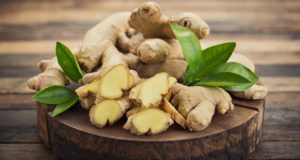
Ginger is a common spice once considered a luxury. Ancient Chinese and Indians used the root of the ginger plant as a tonic to treat various common ailments. Ginger originated in Southeast Asia, but since then it has been widely cultivated all around the world. At its height in popularity during the 14th century, ginger cost about the same as a piece of livestock. Today, ginger can be found in almost every local grocery store and is used worldwide.
So what makes ginger such a special herb? Its versatility. Ginger can be used for many different issues. The dominant property of ginger is that it is warming. Some people associate this with being spicy. The truth is, after a person eats ginger, the body will feel a little warmer. Over time, eating ginger daily can actually increase the body temperature. This is great for those who suffer from blood deficiency and a feeling of constant cold. This also helps people who suffer from aches and pains that flare up during the cold weather.
Ginger is frequently used to help treat digestive problems. It can effectively reduce nausea, whether it’s from morning sickness or chemotherapy. Because of its warming properties, it also aids in stimulating digestion. Grating ginger and adding it to water daily can be very beneficial for the digestive tract.
Another way ginger is used is to help treat colds or the flu. Combining ginger with scallions and making a hot water broth can help kick out a cold quickly. The combination of scallions and ginger will heat the body up, making you sweat a little. This may be just what is needed for sweating out the infection.
Ginger can also be used to treat food poisoning or dysentery. Ingesting ginger increases the secretion of gastric juices. This helps the body digest food more quickly. Ginger also creates an inhospitable environment for toxic bacteria in the gut. By increasing digestion, the toxins can be excreted quickly.
Pain and inflammation are rampant in the world today, but ginger can provide some relief. Studies show ginger consumption can reduce muscle aches and pains. Ginger has also been used in studies on cancer, showing decreased inflammation in the body.
One last way ginger consumption can benefit the body has to do with the cardiovascular system. Ginger has been shown to reduce cholesterol, which can lower the incident of heart attacks.
Ginger is used frequently in many of the herbal formulas Chinese medicinal practitioners prescribe. If you or somebody you know suffers from any of the aforementioned conditions, it might be a good idea to consider using ginger.
Rise & Shine Ginger Cleanser
Recipe
Whether you’re in the middle of a total diet overhaul or just looking to bring more balance and resilience into your body, this morning cleanser is one of the simplest dietary habits you can introduce, while also having a huge positive impact on your health.
This lemon and ginger cleanser is full of nutritional benefits. Lemon is an alkalizing food, meaning when the body metabolizes lemon juice (as well as other citrus fruits), it breaks it down into alkaline elements. All food, when it is metabolized in the body, it either breaks it down into acid or alkaline elements. Our bodies are normally slightly alkaline, so a diet that is too high in acid-forming foods, causing the body to become too acidic, can contribute to mucus buildup in the body. We need some mucus, but excess mucus in the body can be conducive to the growth of bacteria and viruses. Mucus buildup also contributes to congestion, which leads to many illnesses. According to traditional Chinese medicine, a diet consisting of 70 to 80 percent alkaline-forming foods will support harmony in the body, keeping the digestive and nervous systems strong.
Especially first thing in the morning, when our stomachs are basically empty, it can be very beneficial to start the day with an alkaline-forming drink. Lemon also boosts immunity with vitamin C and potassium, helps keep your skin clear and aids in digestion. Adding ginger to the alkaline-forming lemon juice packs an additional punch to the drink. Ginger stimulates digestion and can help reduce nausea. It also improves circulation in the body and has been shown to reduce inflammation.
One of the great things about introducing this cleanser into your daily routine is that it can be modified or tweaked to support your personal health needs. Adding cayenne to the mix will help boost your metabolism, and it works as a decongestant and a pain reliever. Turmeric can be added for powerful anti-inflammatory effects. Honey is also a great addition, simultaneously balancing out the sour taste of the lemon while adding antimicrobial, antiviral and antifungal properties to the drink.
Time: 5 minutes
Ingredients:
1 cup warm water, ½ lemon, juiced, 1 TB grated fresh ginger
Optional extras:
¼ ts ground cayenne, 1 TB grated fresh turmeric, ½ ts raw honey
To make:
- Boil water and pour it in a mug or glass.
- Squeeze in the lemon juice.
- Add the grated fresh ginger and stir. Add any of the optional extra ingredients and stir those in as well.
- Drink first thing in the morning every morning for the best results.
Research Update: Acupuncture and postoperative nausea and vomiting
Postoperative nausea and vomiting, often caused by the body’s response to anesthesia, is a very common symptom. Depending on the severity, this can prolong a patient’s recovery time and the length of their hospital stay as well as cause complications to the surgery depending on the type and extent of nutrient-depletion caused by the vomiting.
Medications aimed at treating nausea are expensive and can cause side effects of their own, but a growing body of research is showing acupuncture can be an effective alternative.
A 2013 report published in the Public Library of Sciences measured the efficacy of acupuncture in treating postoperative nausea and vomiting by statistically analyzing the results from over 1200 patients. Acupuncture was determined to be a safe, efficient and economic prevention and treatment method.
In 2017, a study published by the National Institutes of Health looked at the effectiveness of the specific acupuncture point, P6, in treating postoperative nausea and vomiting for women after gynecological surgeries. In the study, 47 women were given a wristband that applied pressure to P6 during the first 12 hours after their operation. Fifty other women, the control group, were given traditional nausea medication during and after their operation.
The study found the wristbands were effective in preventing vomiting, and even more effective in significantly reducing the intensity of the nausea the women experienced. The researchers concluded wristband P6 acupressure application is an excellent alternative to pharmaceutical methods of treatment.
Other studies have shown acupuncture is effective in treating nausea caused by chemotherapy, gag-reflexes induced during dental work that can limit the ability of dentists to provide care, and morning sickness during the beginning of a woman’s pregnancy term.
Acupuncture and acupressure are natural methods of treating nausea, allowing people to limit the amount of pharmaceuticals entering their system, which can be especially beneficial in the case of postoperative care or chemotherapy, where the body is already being bombarded with synthetic drugs. With acupuncture, patients can avoid complicating their health by introducing further side effects that can arise from synthetic drug use.
Acupuncture can also be done in conjunction with Western treatments, which can reduce the dosage of pharmaceuticals a patient needs and provide even better overall results. Acupuncture is also often used as part of a multifaceted treatment plan that can include Chinese herbal tonics and exercise or movement plans. Traditional Chinese Medicine, TCM, often employs these three practices together to get the best results. Traditional Chinese medical thought looks at the body holistically, and therefore addresses ailments holistically, treating the root problem instead of just the presenting symptoms.
By learning more about the uses and availability of acupuncture, you can make personalized decisions about your healthcare should you find yourself in one of these circumstances. If you would like to learn more, or to seek treatment for yourself or a loved one, contact a licensed acupuncturist in your region.
https://www.healthcmi.com/Acupuncture–Continuing–Education–News/1742-acupuncture–beats–drug–for–indigestion–relief
https://www.ncbi.nlm.nih.gov/pubmed/30449440
Patient Help Sheet – Acupuncture for IBS
Irritable bowel syndrome, or IBS, is the most common functional gastrointestinal disorder in the world. Although gastroenterologists diagnose IBS frequently, many people don’t even recognize the symptoms. Symptoms may include pain in the abdomen, change in bowel habits, constipation, diarrhea, indigestion, nausea, excessive gas, abdominal cramping and loss of appetite.
This is where Traditional Chinese Medicine (TCM) can help. TCM treats every individual holistically, taking into account their well-being, both physically and psychologically. TCM incorporates many different modalities to treat a patient, but the most common are acupuncture, Chinese herbs and nutrition.
Acupuncture for IBS: In TCM, the spleen, liver and gallbladder all play vital roles in gastrointestinal health. The spleen is in charge of digestion and stress, which weakens the energy of the spleen and can then lead to disharmony of the gastrointestinal tract. The liver keeps all the energy in the body flowing smoothly. Stress also affects the liver and can lead to liver Qi (pronounced “chee”) stagnation. Qi is the equivalent of energy. The gallbladder is the sister organ of the liver, and it often gets involved too. When treating IBS, a licensed acupuncturist will address any imbalances in these three energetic systems, while also treating any other underlying issues. Things like excess heat and dampness will be removed from the body through the use of acupuncture. These two manifestations are the primary causes of IBS according to TCM.
Acupuncture Points for IBS:
- Large Intestine 4 – This point is located on the back of the hand bilaterally, between the thumb and forefinger, where the mound of flesh is the thickest. Large intestine 4 is the source point for the large intestine channel and it is great for aiding in digestive disorders.
- Stomach 25 – Found bilaterally on either side of the belly button, about 2 thumb widths away from the center of the navel. This point helps move abdominal blood, which can alleviate gastrointestinal disorders.
- Ren 6 – Located 2 finger widths below the belly button on the midline of the body, this point strengthens the large intestine and helps relieve constipation and abdominal cramping.
Chinese Formulas for IBS:
Another integral part of TCM is the use of herbs and herbal formulas. Many times the herbs can be used alone, but there is more of a synergistic effect when the single herbs are combined to make a formula. One formula used frequently is Tong Xie Yao Fang, which includes herbs that smooth the disharmony between the liver and spleen, such as Chen Pi and Bai Zhu. Another popular formula used to treat the damp heat form of IBS is Ma Zi Ren Wan. This formula contains Ma Zi Ren and Xing Ren, which help drain damp heat from the intestines.
Dietary Recommendations for IBS:
Nutrition, the third leg of TCM treatments, is very important in the treatment of IBS. Most people who suffer from IBS need to increase their intake of fiber. So foods like bananas, almonds, blueberries and avocados are all great choices. It is also recommended to avoid excessive gluten intake. Gluten is found in most breads and pastas. For some, gluten needs to be eliminated altogether. Processed, greasy and fried foods are also not good choices for IBS sufferers, as they disrupt the gut microbiome and are hard to digest.
Seeking help from a locally licensed acupuncturist is a great way to handle IBS. Traditional Chinese Medicine can guide you along the path to wellness and can work cooperatively with your gastroenterologist’s regimen to give you the best chance of success.
Research Update: Acupuncture and Pain Management
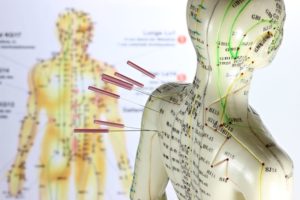
A study published in the Annals of Internal Medicine examined how acupuncture can be used to treat low back pain. The researchers looked at multiple trials to determine that acupuncture shows great promise in relieving chronic low back pain. The trials were inconclusive about acupuncture for acute low back pain. Since chronic low back pain is more common, it makes sense the majority of the trials scrutinized found more evidence to support acupuncture usage for this condition.
Pain affects everybody at some point in their lives. It may be either acute or chronic. But regardless of the type of pain, it can be debilitating. According to the National Center for Health Statistics, nearly 100 million Americans have suffered from pain that lasts more than 24 hours and millions more suffer from acute pain. Chronic pain is the most common cause of long-term disability in the United States also, which ultimately affects not only the pain sufferer, but also those around him or her.
Many people go to see their regular doctor when they have pain. Many more go to the emergency room. But the treatments received don’t always provide relief. Everything from pain pills to surgery may be suggested to help pain sufferers. And because of over-prescription of pain medications, there is now an epidemic in the United States. Opioids, one class of prescription painkillers, has turned into a legitimate killer, causing more and more people to overdose and die. According to the National Institute on Drug Abuse, it is estimated that nearly 2.1 million people in the U.S. are suffering from substance abuse disorders directly related to opioid pain relievers.
This is where acupuncture comes in. Acupuncture is part of a nearly 3,000 year old medical system known as Traditional Chinese Medicine. Acupuncture uses hair-thin needles to stimulate specific pressure points on the body. By invigorating these points, the brain is triggered to release endorphins, which are natural painkillers. The energy within the body is also moved and adjusted. According to TCM medical theory, when the energy is blocked or weak, then pain and illness can attack the body.
One of the advantages of utilizing acupuncture to treat pain is the acupuncturist doesn’t need to diagnose the cause of the pain before treating it. Since acupuncture has no real adverse side effects when performed by a qualified and professionally licensed practitioner, pain relief can begin the very first time a patient is treated.
The treatments are very customizable because this medicine is not a “one size fits all” type of solution. This means that as the pain shifts and changes, the patient will receive customized treatments that not only address the pain and inflammation, but they also work on resolving the root of the problem. Most patients who are dealing with pain also have added stress, insomnia and depression or anxiety. Acupuncture is great at treating all of these conditions. So the patient gets more than just pain relief.
Acupuncture is so effective at treating and relieving pain now showing up in hospitals and emergency rooms. In fact, Abbott Northwestern Hospital in Minneapolis, Minnesota is now successfully using acupuncture in its emergency room to treat conditions ranging from car accident injuries to kidney stones. Their initial results show pain scores are just as low with acupuncture as they are with those given analgesic painkillers. Another positive action regarding the utilization of acupuncture came just recently. The Food and Drug Administration released proposed changes that plan to educate health care providers about treating pain. The new guidelines recommend doctors get information about acupuncture and suggest it to their patients before prescribing opioids.
With these kinds of recommendations and testimonials, it is hard to believe only about 10 percent of Americans have ever tried acupuncture. But that statistic is slowly changing as more and more people are seeking natural and alternative methods of dealing with pain and disease. Why not check it out for yourself? Contact me to find out more information.
SOURCE: http://annals.org/aim/article–abstract/718336/meta–analysis–acupuncture–low–back–pain