


Skip to content

Uncategorized

Acupuncture and TCM for Motivation
A study published by the Journal of Evidence-Based Complementary and Alternative Medicine looked at the holistic effects of acupuncture treatments. The study looked at how acupuncture treatments were conducted and evaluated. One of the areas this study looked at is how acupuncture influences the function of the brain. By using functional MRI imaging, the researchers were able to see certain areas of the brain were stimulated during the acupuncture treatments. The anterior insula and striatum, areas involved in motivation processing, were very responsive to the treatments. The study confirmed acupuncture on specific points can activate motivation centers in the brain, thus leading to increased physical motivation in the participants.

Everybody experiences times where they have no motivation. Lack of motivation can be caused by many things: weather, depression, nutritional deficiencies, rejection and even not exercising.        

Lacking motivation can be detrimental to your health. Even though everybody knows they should be exercising and eating right and getting proper sleep, many of us choose not to. This becomes a bad habit that can actually develop into depression, fatigue, insomnia and even nutritional deficiencies that can cause even worse physical problems. We tell ourselves we don’t have time or we have no motivation or willpower. These are just stories we tell ourselves. EVERYBODY has time to care for themselves. It’s just a choice we have to make.        

Acupuncture can help put the pep back in your step when it comes to motivation. In Traditional Chinese Medicine (TCM), lack of motivation is considered some sort of blockage along the energetic pathways that run throughout the body. Most commonly, this affects the gallbladder and liver pathways. Over time, this lack of motivation frequently develops into depression. When the body is depressed, nothing seems possible. But the fact of the matter is that, there are underlying causes to depression that begin with the lack of motivation.       

The reason TCM works so well at addressing and correcting motivation problems is because it addresses the body holistically. When people go to their doctor and tell them that they have no motivation, they are frequently prescribed antidepressants. But the problem with antidepressants is they don’t address the underlying causes of the issue. TCM looks at everything: the body, the mind, the environment and the emotions. This allows for treatments to be customized to the needs of the patient instead of a one size fits all approach.        

As mentioned, the liver and gallbladder pathways are most commonly associated with lack of motivation. When either or both of these pathways become blocked, motivation dissipates and people become depressed. One of the first things that happens is emotions become involved and send signals to the digestive tract. This is why many times, people who lack motivation or who have developed depression have no appetite.  Energy comes from eating healthy foods. But when we have no appetite, we tend to crave things like sweets and carbohydrates because they give us the “emotional high” that temporarily sedates the depression and lack of motivation. But this quickly goes away and we end up right back where we started.        

The gallbladder pathway is important when motivation is lost. The gallbladder pathway is associated with courage and decisiveness. Lack of motivation causes most people to not be decisive. The inability to decide or act or the lack of motivation to act is associated with a weakness of the gallbladder system. Regular acupuncture treatments can help with this issue, as well as moving energy along both the liver and gallbladder pathways, thus restoring balance to the body and increasing motivation.

TCM and Seasonal Affective Disorder

Seasonal Affective Disorder, also known as SAD, is a form of depression that affects people all throughout the world. Most commonly experienced during fall and winter months, the symptoms of SAD include depression, hypersomnia, lethargy, difficulty concentrating, negative thoughts and decreased social interaction. Higher levels of anxiety are experienced at the end of the summer season as those who suffer from this ailment start to anticipate the coming months of less sunshine and increased symptomatology.  

Studies suggest many people who suffer from SAD may also be afflicted with other forms of mental imbalance such as addiction, personality disorders or anxiety. This makes Traditional Chinese Medicine and acupuncture great choices for treatment of this condition.       

Traditional Chinese Medicine (TCM) is very effective in treating depression, including Seasonal Affective Disorder. Modern medicine usually treats depression with antidepressants and psychotherapy regardless of the presenting symptoms. In contrast, TCM diagnoses each patient on an individual basis and treats the specific symptoms, while also addressing the root of the illness. TCM incorporates multiple modalities such as acupuncture, Chinese herbs, tuina massage, cupping and exercises like qi gong to help restore balance to the body. Traditional Chinese medicine also treats the person holistically instead of treating mind and body separately.       

Acupuncture is one of the tools used in TCM. Acupuncture needles move energy throughout the body and releases endorphins. By doing so, it improves the flow of energy throughout the body, while eliminating blockages and bringing balance to the mind and body. Endorphins counter the symptoms of depression and allow the person to resume a normal life.        

Physical activity is also important to combat SAD. One of the best forms of physical activity is tai chi. Tai chi is an ancient Chinese tradition practiced today as a graceful, fluid low-impact form of exercise. Tai chi involves a series of movements performed in a slow, focused manner accompanied by deep breathing. This form of martial art is practiced all over the world and can be performed by anybody, at any age and in almost any physical condition. Many studies show physical activity like tai chi can improve mood and sleep quality, while also improving immune system function. All of these things are important to address when feeling the grasp of SAD.       

Nutrition is another vitally-important aspect of Traditional Chinese Medicine. During the fall and winter months, when the weather tends to be cooler and the hours of darkness are more abundant, it is recommended to eat less fruit and increase the intake of warming foods like soups and grains. Many studies show depression and SAD can be attributed to nutritional deficiencies, like fatty acids and vitamin D. So during the fall and winter, these nutrients need to be increased to combat the feelings of depression and sadness. Fatty acids can be found in fish and nuts. Vitamin D is also found in fatty fish like tuna and some dairy products.       

If you or somebody you know suffers from Seasonal Affective Disorder or depression and are looking for a natural way of dealing with it, contact me to find out more information on how acupuncture can help. 

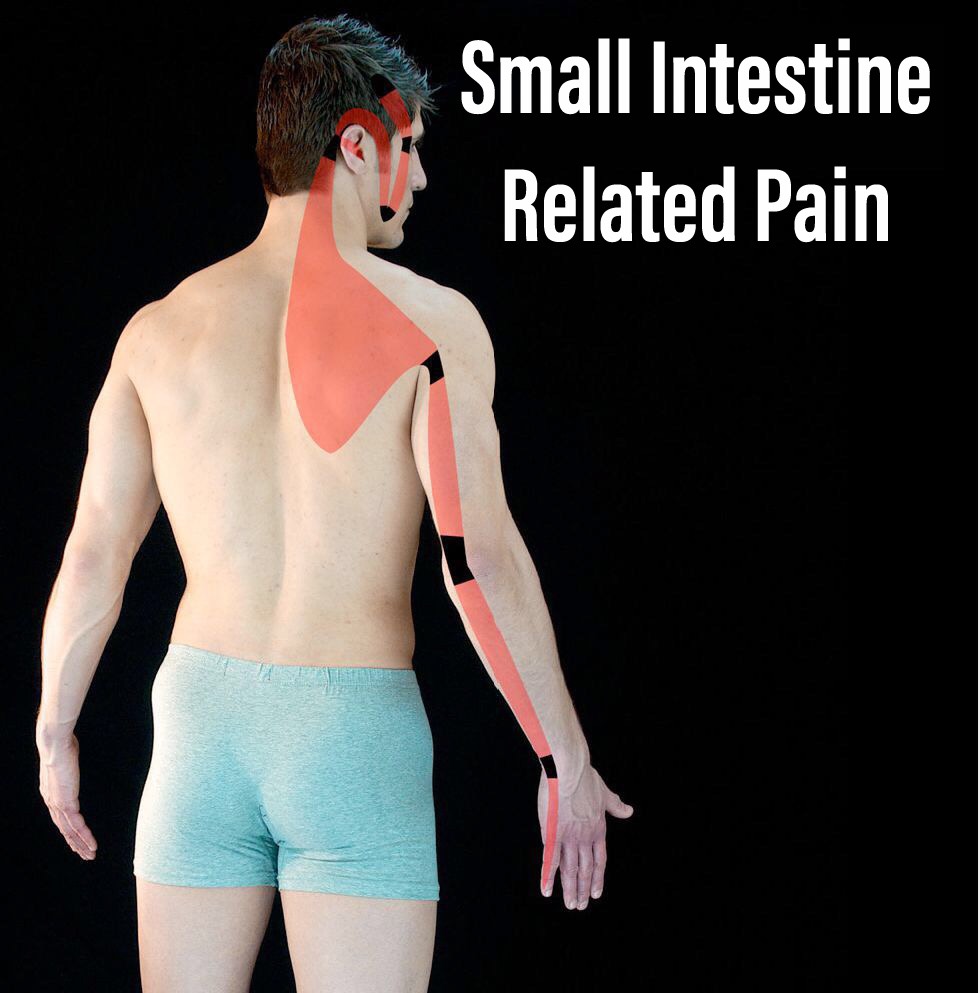
Neck and Shoulder Pain Due To Sick Small Intestine

Neck and shoulder pain due to SI

The Small Intestine type of neck, shoulder and jaw pain is caused by stagnant QI (vital energy) and Blood along the energetic channel of the Small Intestine. This is caused by physical or mental/emotional imbalances in the Heart and Small Intestine. Poor sleep, digestive problems, sadness, inability to let go of harmful states of mind, poor body posture, and repetitive movements due to work or sports are among the most common reasons causing imbalances in the Small Intestine channel.

 Acupuncture, cupping and guasha are very effective in relieving muscle tension and pain, relaxing the mind, and improving sleep quality. If you think you are suffering from muscle tension and pain associated with Small Intestine and want to learn more about how acupuncture and Chinese medicine can help you, give us a call or schedule your free consultation online

Muscle Tension and Pain Related to a Sick Liver

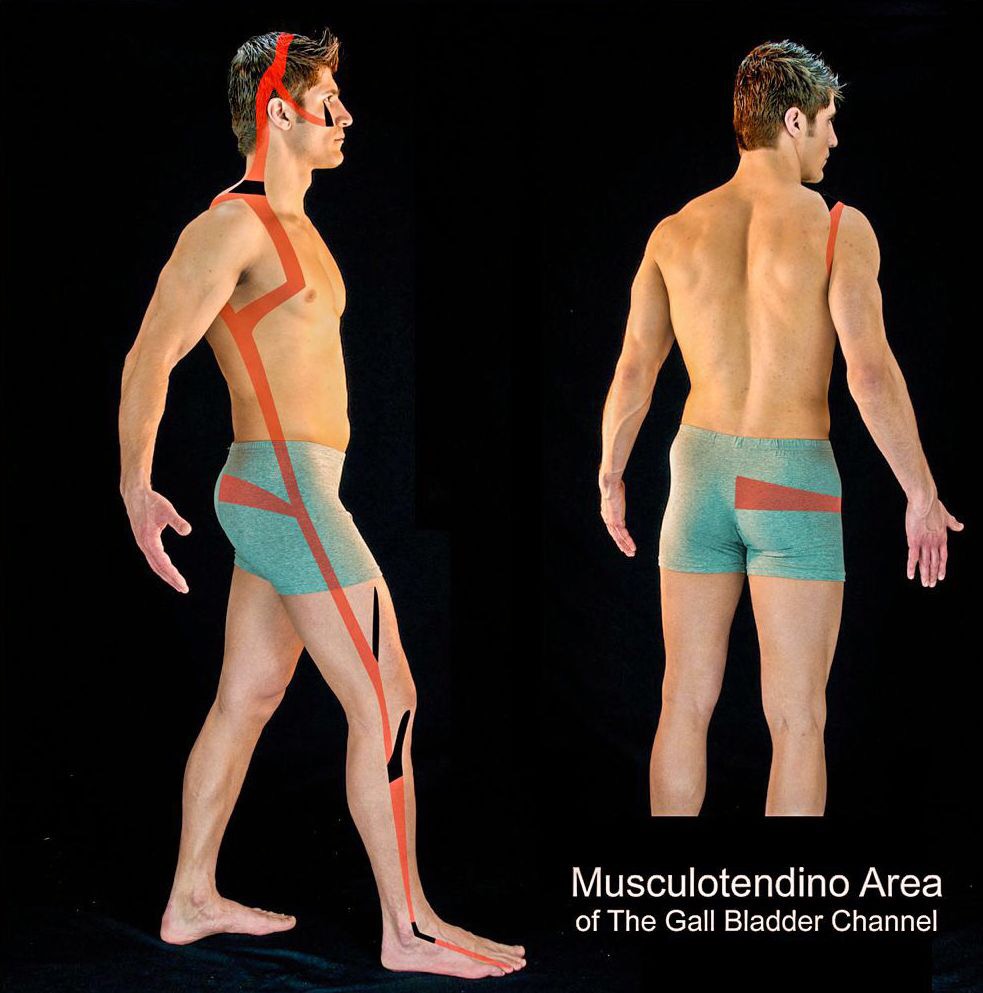
Muscle tension is natural reaction to stress since it is the body’s attempt to protect itself, it is a guarding action. Moderate to intense muscle tension is often caused by an imbalance in the Liver/Gallbladder organ’s systems. If the energetic function of the Liver is impaired symptoms such as severe muscle tension and/or spasms, anxiety, irritability, and poor sleep can manifest. Liver imbalances often cause stagnation of QI and Blood along the Gallbladder channel causing tension headaches, migraines, shoulder and neck pain, and poor sleep.

Deep abdominal breathing, meditation, moderate exercise, cutting down on stimulants, reducing fatty foods, and drinking enough water are some of the things that you can do to help your Liver and reduce muscle tension.

 There are other organs that are often involved in muscle tension and pain such as the Heart and Kidneys. A practitioner of Chinese medicine is qualified to perform a differential diagnose and formulate a treatment plan to correct your unique condition. 

If you are suffering with muscle tension and or pain acupuncture can help you. I will be happy to explain and show you how acupuncture can help you feel good again. Give us a call or schedule a free consultation to learn more.

(630) 837-4241 Directions Contact/Schedule