

- One Community
Acupuncture Center342 S Main St.
Unit 1 Lower Level
Bartlett, Illinois 60103(630) 837-4241 Follow Us!


- Sign up to receive news and updates and get my free report:“The Top 10 Reasons to Try Acupuncture”


Uncategorized
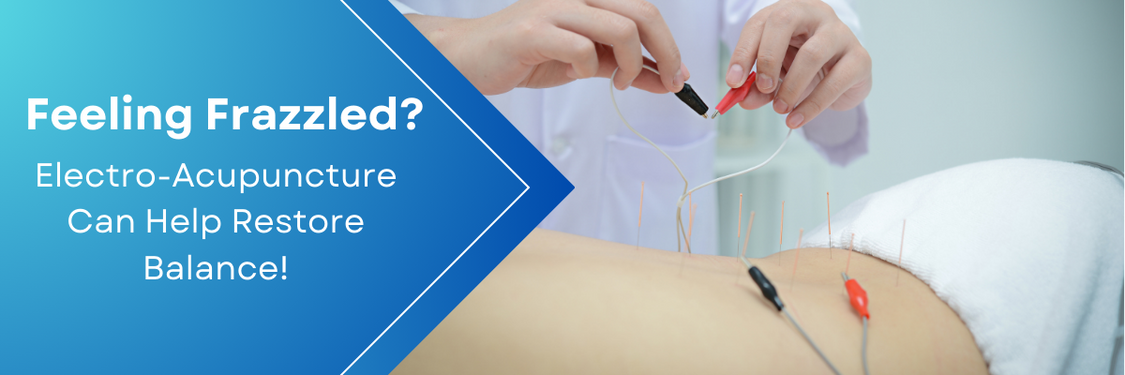
Feeling Frazzled? Electro-Acupuncture Can Help Restore Balance!
Do you ever feel like you’re constantly on edge? Like a coiled spring, ready to jump at the slightest provocation? Maybe you toss and turn all night, or your stomach churns every time you face a deadline. If so, you might be experiencing an imbalance in your Autonomic Nervous System (ANS).
Think of your ANS as your body’s internal control panel, regulating everything from your heart rate and digestion to your sleep and stress response. It has two main branches: the sympathetic nervous system, responsible for the fight-or-flight response, and the parasympathetic nervous system, responsible for rest and digest. Ideally, these two branches work in harmony. However, in today’s fast-paced world, it’s easy for the sympathetic nervous system to take over, leading to chronic stress and a host of health problems.
Signs of an Imbalanced ANS:
- Difficulty sleeping
- Digestive issues like constipation or diarrhea
- Anxiety and irritability
- Headaches
- Fatigue
- Difficulty concentrating
Finding Calm in the Chaos: How Electro-Acupuncture Can Help
As a Traditional Chinese Medicine (TCM) practitioner, I’ve witnessed firsthand the power of electro-acupuncture in regulating the ANS and promoting overall well-being. In TCM, we believe health arises from a balanced flow of vital energy, or qi, throughout the body. Disruptions in qi flow can lead to imbalances in the ANS.
Electro-acupuncture uses fine needles inserted at specific acupoints along meridians, the channels through which qi travels. The gentle electrical stimulation helps regulate qi flow and restore balance within the ANS. Research suggests it can:
- Increase parasympathetic activity: This promotes relaxation, improved sleep, and better digestion.
- Decrease sympathetic activity: This can lead to lower blood pressure, reduced anxiety, and a calmer overall state.
Electro-acupuncture can be a powerful tool for addressing a variety of health concerns caused by an imbalanced ANS. However, it’s important to remember that TCM takes a holistic approach to health. I often recommend electro-acupuncture alongside other TCM practices like herbal medicine and dietary therapy to create a personalized treatment plan for each patient.
Taking Charge of Your Well-Being: The Power of Breathwork
While electro-acupuncture can be incredibly effective, there are also self-care techniques you can use to support a healthy ANS balance. One simple yet powerful tool is breathwork.
Deep, slow breathing stimulates the vagus nerve, a major pathway between the nervous system and organs. When activated, the vagus nerve signals your body to relax and slow down, essentially activating the parasympathetic nervous system.
Here’s a simple breathing exercise you can try anywhere:
- 4-7-8 Breathing: Inhale slowly through your nose for a count of 4, feeling your belly expand. Hold for a count of 7. Exhale slowly through pursed lips for a count of 8, feeling your belly contract. Repeat for 5-10 minutes.
Remember, you have the power to influence your own health! By incorporating breathwork into your daily routine and exploring the benefits of electro-acupuncture, you can take proactive steps towards a calmer, more balanced you. If you’re interested in learning more about how TCM can help you achieve optimal health, feel free to contact me to schedule a consultation.
Navigating Bi-Syndrome: Your Guide to Understanding and Treating Joint Pain with Traditional Chinese Medicine
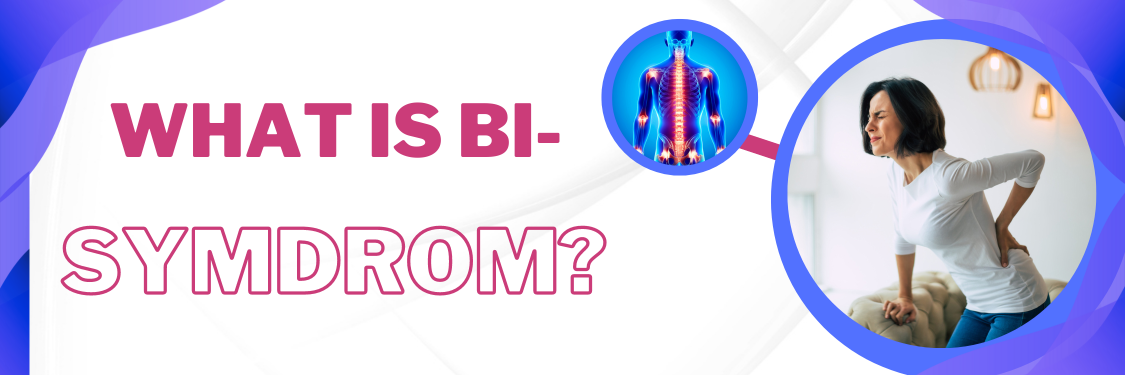
Joint pain and stiffness aren’t just symptoms; they are significant hindrances that can impact every aspect of life. This discomfort, often categorized under the umbrella of Bi-Syndrome in traditional Chinese medicine (TCM), can be both bewildering and overwhelming. Today, we’ll explore the TCM perspective on Bi-Syndrome, providing insights and practical solutions to manage and potentially overcome this condition.
Understanding Bi-Syndrome
Bi-Syndrome, or “painful obstruction syndrome,” in TCM, is characterized by pain, soreness, or numbness of muscles, tendons, and joints. According to TCM, Bi-Syndrome is primarily caused by the pathogenic influences of wind, cold, dampness, and heat, which obstruct the flow of Qi and blood through the channels.
The Four Types of Bi-Syndrome
- Wind Bi: Manifests as pain that moves from place to place and may be accompanied by aversion to wind and a preference for warmth.
- Cold Bi: Shows up as severe pain in specific areas which can worsen with cold weather.
- Damp Bi: Leads to swelling, a sensation of heaviness, and lingering pain that is aggravated by damp conditions.
- Heat Bi: Presents with red, swollen, and hot joints and severe pain, showing an inflammatory response.
TCM Strategies for Managing Bi-Syndrome
The treatment of Bi-Syndrome in TCM focuses on expelling the pathogenic factors and restoring the free flow of Qi and blood. Here are some holistic strategies employed:
- Acupuncture: By stimulating specific points along the meridians, acupuncture helps reduce pain and inflammation, promoting healing.
- Herbal Medicine: Herbal formulas can be tailored to treat the specific type of Bi-Syndrome, addressing underlying imbalances.
- Tuina Massage: A therapeutic form of massage that helps enhance blood circulation and Qi movement across the body.
- Dietary Modifications: Incorporating warming and invigorating foods can help dispel cold and dampness, critical in managing symptoms.
Lifestyle Adjustments for Prevention
Preventative measures play a crucial role in managing Bi-Syndrome. Regular exercise, maintaining a healthy weight, and avoiding exposure to cold and damp environments can significantly reduce the risk or severity of symptoms. Mindfulness practices and stress management are also beneficial in maintaining overall well-being and preventing Qi stagnation.
While Bi-Syndrome can be a challenging condition, understanding its TCM roots provides a pathway to effective management and recovery. By integrating traditional practices with modern lifestyle adjustments, individuals suffering from joint pain can find relief and improve their quality of life. We invite you to explore further and consider how these ancient wisdoms might be applied in your life to foster better health and mobility.
We’re here to guide you through each step of the way. Feel free to reach out with questions or for personalized advice tailored to your specific needs. Remember, the journey to wellness is often a path best traveled with support.
Escaping the Side-Effect Spiral: How TCM Offers a Safer Healing Journey
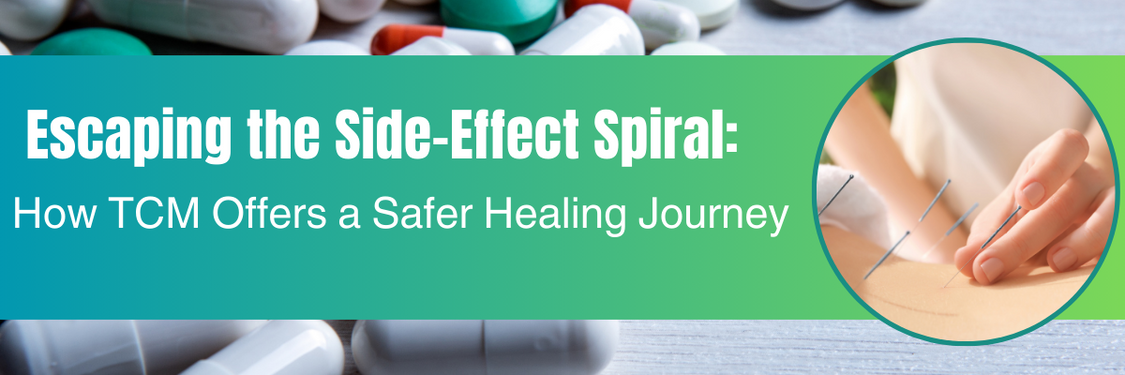
Have you ever found yourself feeling off, bogged down by irritability, a tense back, and an overwhelming desire to return to your normal, energetic, and productive self—pain-free and vibrant? Yet, the thought of embarking on a journey filled with conventional medications, each with its laundry list of side effects, leaves you seeking a more natural, harmonious path to wellness.
The Vicious Cycle of Conventional Medication
Conventional medicine, for all its advances, often falls into a pattern of prescribing medications as a catch-all solution. While these can serve as a temporary fix, they frequently become a permanent crutch, leading to an endless cycle of dependency without addressing the root cause of the initial symptoms. The result? A cascade of additional medications, each attempting to mask the side effects of the last, yet never truly healing the underlying illness.
A Natural Pathway to Healing with TCM
The essence of Traditional Chinese Medicine (TCM) lies in its holistic approach to health. TCM delves deep into the core of your discomfort, identifying which organ systems are out of sync and gently correcting these imbalances. By regulating the movement and production of blood, fluids, oxygen, and Vital Energy (Qi), TCM nudges your body back towards its natural state of equilibrium. Through practices like acupuncture, which rebalances your Qi by stimulating specific points on the body, cupping, which enhances circulation and draws out toxins, and herbal medicine, which nourishes and supports your body’s healing, TCM empowers your body to heal itself, from the inside out.
Crafting Your Personalized Journey to Wellness
Your healing journey with TCM begins with a comprehensive evaluation to pinpoint the exact nature of your imbalance. From there, a treatment plan uniquely tailored to your needs is developed, incorporating acupuncture, cupping, herbal medicine, and possibly lifestyle adjustments. Our aim is to reignite your body’s innate healing capabilities, addressing not just the symptoms but the root cause of your distress—be it chronic pain, physical tension, or emotional turmoil.
The Transformation Awaits
Imagine a life where you’re not just existing but thriving—energetic, productive, yet calm and present, fully able to enjoy every moment. This isn’t just a dream; it’s a very achievable reality with TCM as your guide. By stepping away from the side-effect laden path of conventional treatments and embracing the holistic, side-effect-free healing journey offered by TCM, you’re taking a powerful step towards lasting wellness.
Ready to break free from the side-effect spiral and embrace a safer, more natural path to health? Your journey to wellness starts here.
Schedule your appointment now and embark on a healing journey that aligns with your body’s natural rhythms and wisdom.
We’re here to guide you. Give us a call or text us with any questions you may have. Curious about insurance? Let us handle the details. Send us an insurance verification request, and we’ll explore coverage options for your treatment plan.
Step into a world where wellness is not just a goal but a lived reality. Welcome to the holistic healing journey with TCM.
Find Wellness: Nature’s Answer to Ailments
Feeling off lately? Irritable, stuck, or burdened by a tense back? It’s a common story: the desire to return to a state of normalcy—energetic, productive, and free from pain. More importantly, to achieve this transformation naturally, sidestepping the conventional route of medications that often feels like a never-ending spiral.
It’s no secret that conventional medicine tends to reach for the prescription pad, offering medications that, while potentially useful as short-term solutions, often end up as permanent crutches. This approach can lead to a cascade of additional medications, without ever truly addressing the root cause of the initial symptom or illness. It’s a cycle that leaves many yearning for a different answer.
A Natural Solution Through TCM
The key to unlocking your wellness lies in understanding the core imbalances within your body. Traditional Chinese Medicine (TCM) offers a profound insight into how our organ systems may become deregulated, impacting the movement and production of blood, fluids, oxygen, and Vital Energy (Qi). Through the modalities of acupuncture, cupping, and herbal medicine, TCM aims to regulate these essential life forces, kickstarting the body’s innate healing mechanisms.
- Acupuncture, including its variant Electro-Acupuncture, operates by enhancing the circulation of vital energy (Qi), along with the movement of blood and bodily fluids. It effectively tunes the autonomic nervous system, which governs our body’s unconscious actions, to either calm you down or boost your energy levels. This traditional technique facilitates a harmonious flow of life forces throughout your body, ensuring that every cell, tissue, and organ is nourished and functioning optimally.
- Cupping creates a vacuum on the skin to enhance circulation, draw out toxins, and invigorate the flow of Qi and blood, much like aerating water to enrich its oxygen content.
- Herbal Medicine uses nature’s bounty to balance and nourish the body, crafting a personalized blend of herbs that support your unique path to healing.
Crafting Your Plan to Wellness
Our journey together begins with a thorough assessment to pinpoint the root causes of your symptoms. From there, a personalized treatment plan emerges, tailored to address your specific needs through acupuncture, cupping, herbal remedies, and likely some lifestyle adjustments. Our goal? To guide your physical and emotional self back to a state of self-regulation and resilience against stressors, preventing them from escalating into chronic pain, tension, and distress.
Imagine living your life imbued with energy and productivity, yet simultaneously enveloped in a sense of relaxation and presence. This is the promise of embracing TCM as your pathway to wellness. It’s about more than just alleviating symptoms; it’s a comprehensive approach to health that allows you to enjoy every aspect of your life more fully.
Are you ready to step onto the path of natural healing and discover the wellness that awaits? Let’s embark on this journey together.
Begin the transformation towards a life of balanced wellness

Questions? Let’s Connect
If you have any questions or need further clarification, we’re here to help. Give us a call or send us a text. Wondering about insurance? Send us a verification request, and we’ll explore coverage options for your treatments.
Embrace the journey towards natural healing and discover how TCM can redefine your approach to health, allowing you to live fully, freely, and in harmony.
The Art of Balance: TCM’s Approach to Harmonizing Your Health
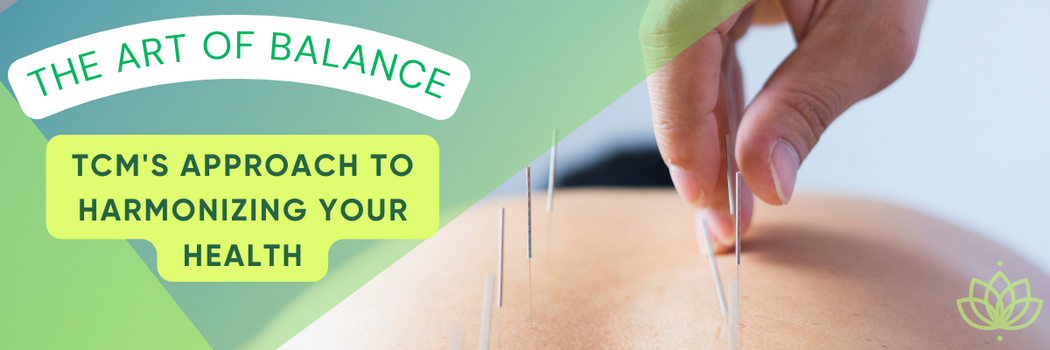
In your journey toward health, you’ve likely faced crossroads: conventional medicine with its pills and procedures on one side, and the path less traveled, filled with natural and holistic remedies, on the other. If you’re reading this, you’re probably yearning for a route that doesn’t just silence symptoms but nurtures your well-being at its core. The concern over starting new medications or the prospect of surgery can be daunting, feeding into worries about side effects and long-term impacts on your health.
Navigating Through Energetic Imbalances
Let’s simplify a complex idea using an analogy suitable for a 12-year-old: Imagine your body is like a bustling city, with energy highways (meridians) running throughout, carrying vital energy (Qi) to every neighborhood (organ). Now, suppose some highways get congested or blocked—traffic jams in your energy flow. Just as blocked roads can disrupt a city’s harmony, causing delays and frustration, energetic imbalances in your body can lead to health issues, from minor ailments to more severe conditions.
In Traditional Chinese Medicine (TCM), we see many health problems as signs that the city’s traffic isn’t flowing smoothly. Correcting these energetic imbalances often leads to a remarkable recovery, improving symptoms and preventing the progression into more chronic illnesses.
TCM and Acupuncture: Your Route to Healing
TCM and acupuncture step in as the traffic engineers for your body’s energy highways. By assessing where the blockages and imbalances are, we can use acupuncture—like opening up new lanes or removing obstacles—to restore the smooth flow of Qi. This not only relieves symptoms but also addresses the root cause of the illness, helping your body to heal naturally and effectively.
By aligning with the natural principles of TCM and acupuncture, you’re not just avoiding the pitfalls of conventional treatments; you’re actively choosing a life where health is not merely the absence of disease but a state of complete physical, mental, and social well-being. Let’s start this journey together, with each step moving you closer to the balanced, vibrant health you deserve.
If you’re ready to explore a natural, safe, and effective path to health—one that treats you as a whole and addresses the root causes of your ailments—schedule your appointment no

Need More Information?
Questions are natural, and we’re here to answer them. Whether you’re curious about how TCM can help your specific condition, or if you’re wondering about insurance coverage, give us a call or text us. If you have health insurance, don’t forget to send us an insurance verification request. We’re ready to check if your treatments can be covered, making your journey to wellness as smooth as possible.